Swimming and the fight against childhood obesity
Childhood obesity is a major concern for parents and doctors.
The increasing prevalence of overweight children is undeniable. Over the past 30 years, according to statistics, childhood obesity has doubled in children and quadrupled in adolescents in economically developed countries.
The risks of these diseases can be devastating for children. The Mayo Clinic explains that one result of obesity is the early onset of diseases such as diabetes and high blood pressure.
What can parents do to prevent this disease from occurring in their children?
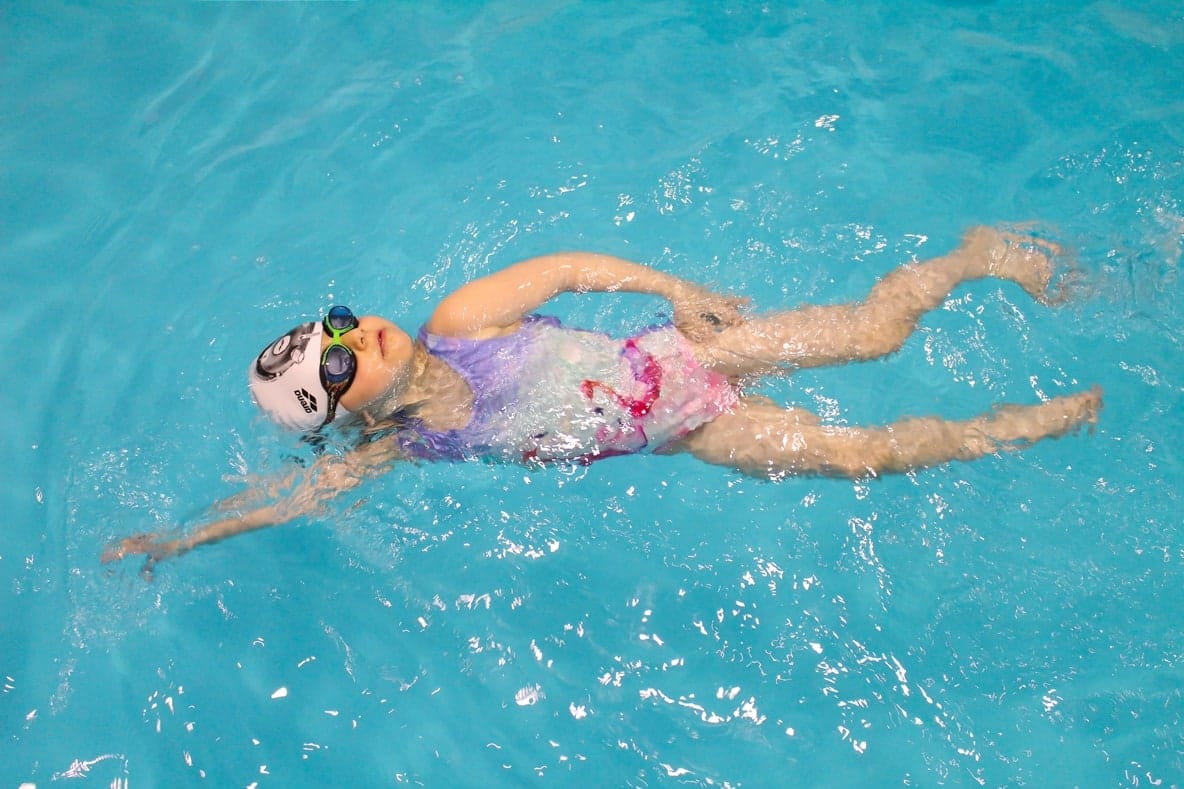
Healthy eating habits and an active lifestyle are essential. When you're thinking about ways to keep your child active, swimming is a perfect option. Not only is it fun and most kids love playing in the pool – it's also an ideal way to get some physical exercise, which benefits almost every aspect of your child's health.
The benefits of swimming for babies and children
Movement, whether it’s playing a sport, spending time on the playground, or taking part in a physical activity like swimming, is essential for all children. An article from the National Institute for Extracurricular Activities in the US clarifies why movement matters for children. The organization notes that it “improves physical fitness, stimulates growth and development, and helps them learn new things about the world.”
For parents looking for ways to keep their children active, swimming is an excellent choice. First of all, any child can do it, being the only sport that can be started from just 4 months or even from birth through a home program conducted by a physiotherapist in the comfort and privacy of your home (details here). https://acvaticbebeclub.ro/program-la-domiciliu) . The skills of this sport are seen over time, but motor acquisitions quickly become visible to parents the earlier the activity starts and there are no frequent and long-term interruptions in the program. In addition to the benefits related to harmonious development, swimming has an impressive number of positive effects in the social, cognitive and neuro-motor development of those who choose it, including:
Improves heart and lung function. In addition to strengthening muscles, swimming makes the heart and lungs stronger. A strong cardiovascular system means good health as they grow.
Improves mental and emotional health.
Swimming will certainly improve your child's physical health, but it can also have positive benefits on their mental health. LiveStrong.com explains that buoyancy in the water promotes relaxation and can lead to improved emotional health.
It is great for building endurance and balance.
Swimming exercises all muscle groups, and as a result, this leads to stronger muscles, better balance, and improved posture.
It is easier for overweight children than other forms of exercise. Buoyancy in the water can be done more easily compared to activities outside of the water. It is also easier on their joints.
It's great for asthmatic children. Because swimming strengthens breathing muscles, a recent article in MedicineNet.com found, it's a great exercise for those with asthma. The constant humidity can help reduce the frequency of attacks.
This play has an important role in keeping your child safe. Swimming has many health benefits, but it is also an important safety skill. According to the Centers for Disease Control and Prevention, drowning is the second leading cause of death among children ages 1 to 14. If your child knows how to swim, the risk of drowning is reduced.
It helps with early development. ScienceDaily reports that researchers at the Griffith Institute for Educational Research found that learning swimming skills at an early age helped children reach developmental milestones, including visual-motor and logical skills, earlier.
We are waiting for you at Acvatic Bebe Club to discuss the benefits of aquatic education with our instructors. We can provide you with all the information you need and are open to answering questions, in order to get to know the needs and experiences of each child and create a personalized program.