HOW TO PREVENT DROWNING: Essential information for every parent
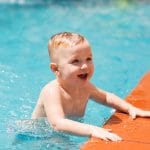
Drowning is one of the leading causes of infant death. Most accidents happen during bathing, in swimming pools and spaces considered low risk, such as basins and other such containers. After the age of 4, the risk extends to various aquatic environments such as rivers and lakes. Indeed, life is full of dangers for the little one, and we as parents are constantly concerned about their safety. What can we do to lessen this immense responsibility? Let's make sure that we take proactive measures to prevent and reduce the risks to which our children are exposed.
To this end, we are preparing some measures that you can easily implement in your family program to maximize your child's safety in various aquatic environments:
Establishing a monitoring plan
Constant supervision is a very difficult activity to undertake effectively, given the inexhaustible amount of energy of the little ones, but in the aquatic environment it is a necessity. Despite the swimming equipment, up to the age of 4 the unpredictability can prevail and create an accident that can be easily avoided. Maintain visual contact with the child's position and location, make sure that you are constantly near him and you have already reduced one of the main possibilities, inattention.
Learn resuscitation techniques
Accidents, although rare, can happen at any time, so learning some resuscitation techniques is an effective way to limit the unexpected. They can restore the little one's ability to breathe and circulate until professionals arrive. Emergencies can be defused if we have a little training beforehand to stay calm and take action in a situation that would naturally make us panic.
Being a parent is a full-time job that brings us unimaginable rewards, but it also forces us to consider the best tools to ensure a secure future for our little one.
Teach your baby to survive in the aquatic environment
How can we prevent an accident more effectively than by eliminating the cause?
Fear of water, lack of survival reflexes and adaptation to extreme situations are a problem that every parent wants to eliminate from their daily worries.
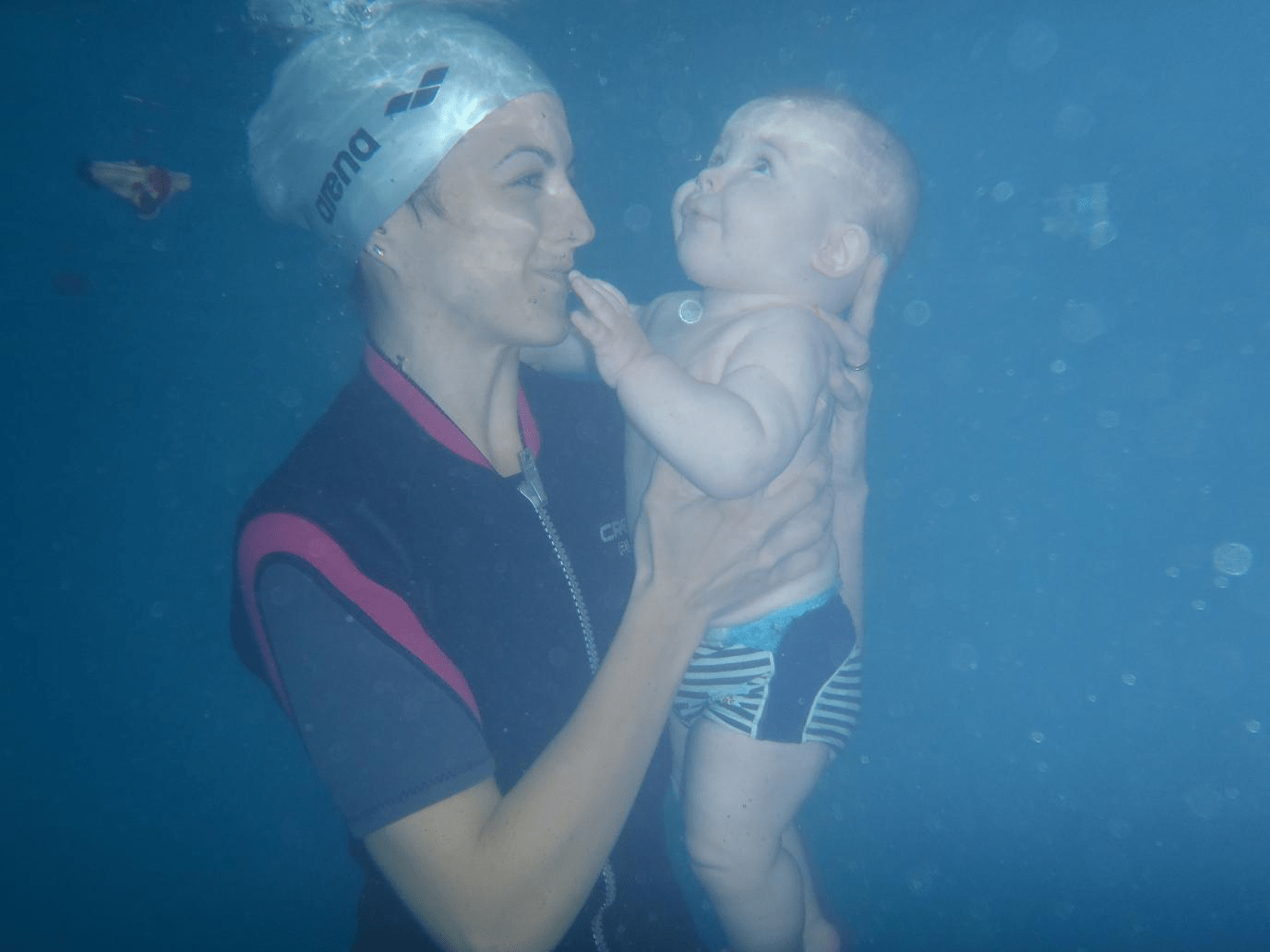
However, we do not hear a massive promotion and awareness in the direction of aquatic education, despite studies that clearly demonstrate its need. According to the American Academy of Pediatrics, the majority of children can learn survival techniques by the age of 4 and, starting at this age, can swim conventionally. As early as 4 months, we can acclimatize the baby to the aquatic environment in centers with a specific profile, or before this age, in his own bathtub at home, with the help of a physiotherapist. Individual aquatic education sessions are a proactive measure through which you can create both his independence in the aquatic environment and protect him from possible future accidents.
We look forward to seeing you at Acvatic Bebe Club to discuss your little one's education in the aquatic environment and the measures you can take to ensure maximum safety. Schedule your FREE aquatic education SESSION now!
Sources:
- http://pregnancyandbaby.com/baby/articles/945503/how-to-prevent-baby-and-toddler-drownings
- https://www.royallifesaving.com.au/programs/keep-watch-toddler-drowning-prevention-program/resuscitate
- http://www.abc.net.au/parenting/articles/preschoolers_safety.htm